What a Reverse Number Search Can Tell You About Unknown Callers
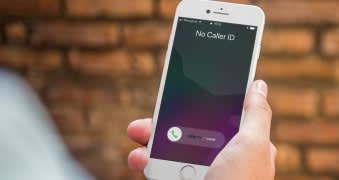
I remember the first time I really needed a reverse number search. A number I did not recognize kept calling my cell, always around dinner time, always from an area code I had never heard of. My gut said it was a robocall, but my curiosity said find out who it was. That experience taught me how much information hides behind a ten-digit string, and how a good reverse phone lookup can pull it into the open.
Reverse phone lookup services have been around for years, but they have gotten far more powerful. Early directories only matched a number to a name if the person was listed in a phone book. Today, a thorough Reverse Number Search can pull up carrier information, possible locations, and even links to public records. The key is knowing where to look and what the results actually mean.
How a Reverse Number Search Works Under the Hood
When you enter a phone number into a lookup tool like Whitepages or Spokeo, the service does not just check a single database. It queries multiple sources. One of the first checks is the LIR, or Local Exchange Routing Guide. This database tells you which carrier owns the number block, which helps determine if the number is a landline, a wireless number, or a VoIP line from a service like Google Voice or Twilio. Knowing the carrier and line type can immediately tell you whether you are dealing with a personal cell phone or a business VoIP number that might be used for telemarketing.
Another source that gets queried is CNAM, or Caller Name. This is the same database that powers the name you see on your caller ID when someone calls you. CNAM entries are often outdated or generic, but they can still provide a clue. A Reverse Number Search that returns a CNAM entry like "SPAM LIKELY" or "ROBO CALL" is a strong sign that other people have flagged the number. Some services also check user-reported spam databases, which is how services like Truecaller and the FCC's complaint database can help identify known spam callers.

Why Number Portability Complicates Everything
Number portability means a person can keep their phone number when they switch carriers. That sounds convenient, but it makes reverse lookups more complex. A number that was once a landline in Chicago could now be a wireless number on the West Coast. The area code no longer reliably tells you where the person lives. For example, area code 212 is famously Manhattan, but due to portability, a 212 number could ring a cell phone in Los Angeles. A good reverse phone lookup accounts for this by checking current carrier data, not just the original assignment.
What You Can Actually Learn from a Reverse Number Search
The depth of information depends on the number type and whether the person has any public records. For a landline, you often get the subscriber's name and address, assuming the number is listed. For a wireless number, results are thinner because cell phone numbers are not published in public directories the way landlines once were. You might still get the carrier, the general geographic area, and any associated public records if the person has used that number for online accounts or business listings.
Scam calls and spam calls are a huge reason people run a Reverse Number Search. If a number has been reported to the FCC or flagged by user communities, a lookup service will often display warnings. I once ran a number that had over 200 reports in a single month. It was a telemarketer spoofing a local area code. The search saved me from picking up and wasting my time.
Carrier lookup can also be revealing. A number assigned to Twilio or another VoIP provider might be used for business lines or automated calls. If you see a carrier like that paired with a suspicious caller ID name, you can be pretty sure it is not a personal call. On the other hand, a number that belongs to a major wireless carrier and has no negative reports might just be a wrong number.
Common Misconceptions About Reverse Phone Lookups
A lot of people expect every search to return a full name and address. That is not realistic. Privacy laws, the shift away from printed phone books, and the rise of cell phones mean that many numbers are not linked to a person in any public database. You might get the carrier, the line type, and the city, but not a name. That is not a failure of the tool. It is a reflection of how phone data works today.
Another misconception is that all reverse lookup services are the same. They are not. Whitepages has deep historical data from phone books and public records. Spokeo pulls from social media and online profiles. Truecaller relies heavily on user-contributed labels. Each has strengths and blind spots. Running a Reverse Number Search on multiple services can give you a fuller picture.
Practical Tips for Running Your Own Search
Start with the full ten-digit number, including the area code. Even if the call came from a local number, always include the area code. Phone number format matters. Some services require you to enter the number with dashes, others without. Check the instructions on the site you are using.
If the number is a suspected spam call, do not call it back. Scammers sometimes answer and try to fish for more information. A silent reverse lookup is safer. Also, be aware that some search results may include links to paid reports that claim to reveal more details. Read what you get from the free tier first. Often the free result already tells you enough to decide whether to block the number.
For numbers that appear to be Google Voice numbers, the search is trickier. Google Voice numbers are VoIP lines that can be tied to a Google account. Public records for these numbers are sparse. You might only see the carrier and a generic location. If you are dealing with a Google Voice number and the caller seems suspicious, trust your instincts and do not engage.
When a Reverse Number Search Might Not Help
There are limits. Numbers that are spoofed will not give you the real caller's information. Spoofing is when a caller deliberately changes the number that shows up on your caller ID. The lookup will only show you the spoofed number, which might belong to an innocent person. In that case, the search can still tell you that the number does not match the caller's claimed identity, which is useful information.
Private numbers and blocked calls are also a dead end. If the caller has used *67 or a similar service to hide their number, there is no number to search. Some services claim to trace blocked calls, but that usually requires a court order or carrier-level cooperation. No public reverse phone lookup can do that.
The Bigger Picture: Why This Matters
Phone scams cost Americans billions of dollars every year. The FCC has tried to crack down with rules like STIR/SHAKEN, which authenticates caller ID, but scammers adapt. A person who knows how to use a Reverse Number Search is less likely to fall for a spoofed call or a telemarketer pretending to be a local business. It is a simple skill that pays for itself in peace of mind.

I keep a short list of numbers I have looked up over the years. Some were wrong numbers from kind people. A few were collection agencies looking for someone else. More than a handful were confirmed spam. Every time I ran a search, I felt a little more in control. That is the real value of a good reverse phone lookup. It turns an unknown number from a source of anxiety into a piece of data you can evaluate. You might still decide not to answer, but at least you are deciding with your eyes open.
If you have never tried a reverse phone lookup, the next time an unfamiliar number rings your phone, take a moment to search it. You might be surprised what you find. And if the result is inconclusive, that itself is a useful answer. Not every mystery needs to be solved. But knowing when to let it go is easier when you have done your homework.